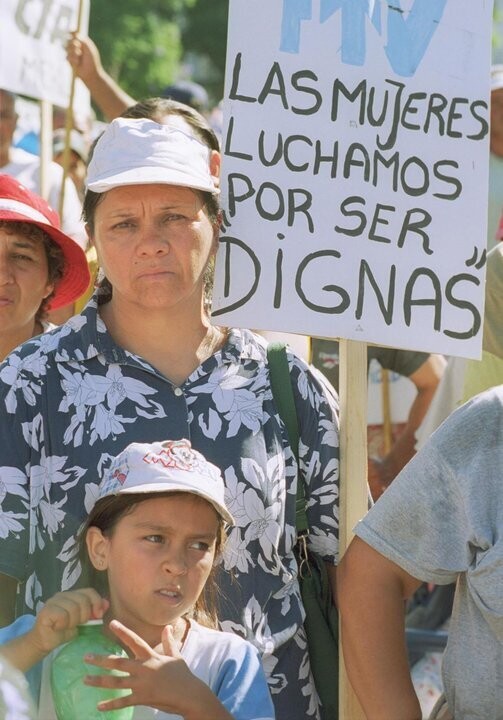
International Women's Day is celebrated worldwide on March 8 as a day of remembrance and advocacy for the historical struggles of women for equal rights, better working conditions, and greater participation in political and social life. The date was not born as a celebration, but as an opportunity to reflect on the progress made and the challenges that still persist in terms of gender equality. The origin of this commemoration dates back to the protests of female workers that took place at the end of the 19th and beginning of the 20th centuries in the United States and Europe. In that context, thousands of women began to mobilize to demand shorter working hours, fair wages, and the right to vote, during a period marked by industrialization and harsh working conditions in textile factories and other sectors. One of the events that marked the history of the women's labor movement was the Triangle Shirtwaist factory fire in New York, where more than a hundred textile workers died trapped inside the building. The tragedy highlighted the precarious working conditions in which many women worked and became a symbol of the struggles for labor rights and workplace safety. In parallel, leaders of the socialist movement pushed for the idea of establishing an international day to advocate for women's rights. Among them, the German activist Clara Zetkin stood out, who in 1910 during an international conference of working women proposed the creation of a day dedicated to making these demands visible, an initiative that over time was consolidated in different countries. Decades later, the date gained institutional recognition when the United Nations began to officially celebrate International Women's Day in 1975. Since then, March 8 has become a global day of mobilization, reflection, and demand for equal rights, which each year brings together marches, activities, and debates in different parts of the world.